Tracking Timestamped Wagers Reveals Timing Advantages Across MLB Betting Markets
Written by Klara Krause · Aug 26, 2026
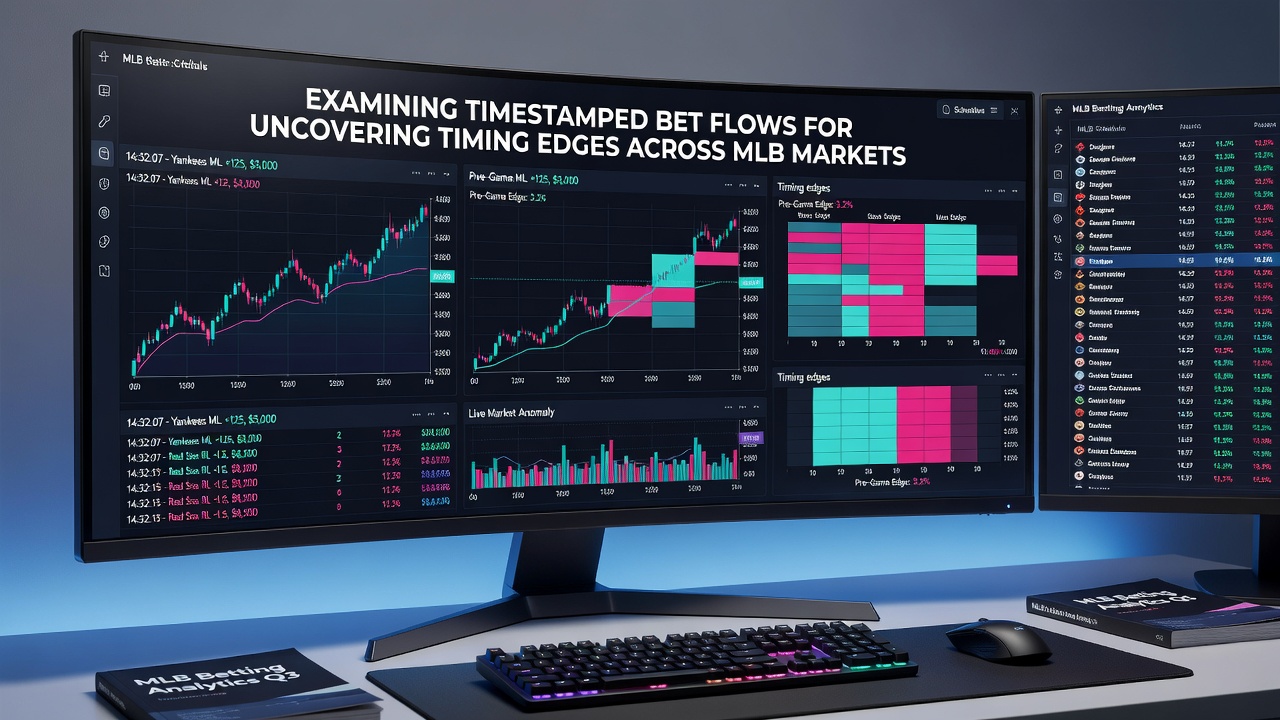
Tracking Timestamped Wagers Reveals Timing Advantages Across MLB Betting Markets
Data from sportsbooks indicates that timestamped bet flows offer measurable insights into when informed wagers enter MLB markets, and analysts who examine these patterns have identified correlations between entry timing and subsequent line adjustments. Major League Baseball games generate high volumes of bets across moneylines, run totals, and player props, while the staggered release of information such as starting pitchers, weather updates, and injury reports creates windows where early versus late action can diverge sharply. Observers note that platforms recording bet arrival times down to the second allow researchers to separate recreational volume that arrives during morning hours from larger, sharper stakes that cluster closer to first pitch.
How Timestamp Records Capture Market Dynamics
Betting operators log each wager with a precise timestamp, stake size, and market selection, and these records form datasets that quantitative teams process to detect clusters of activity. When a significant portion of handle arrives within a narrow window, the data often precedes rapid line shifts because oddsmakers adjust prices to balance exposure or to incorporate new information. Studies of historical MLB seasons show that bets placed between 4 and 7 p.m. Eastern on game day frequently correlate with sharper line movement than bets recorded overnight, although the relationship varies by market liquidity and the presence of key roster news. Those who have examined multi-year archives find that timestamp granularity helps distinguish between steady recreational flows and concentrated professional action that can move totals or side prices by several cents.
Data Sources and Collection Methods
Operators compile timestamped records from both retail and online channels, and third-party analytics providers aggregate anonymized feeds to produce flow visualizations. According to reports published by the Nevada Gaming Control Board, sportsbooks in that jurisdiction maintain detailed transaction logs that include time stamps for every MLB wager, and these logs have supported academic examinations of timing patterns. Researchers cross-reference the logs against public betting percentages released after games conclude, and the combination allows reconstruction of when money entered versus when lines reacted. Additional datasets from league-affiliated statistical services supply pitch-by-pitch outcomes and injury timelines, which analysts overlay on the bet-flow timelines to test whether early or late action anticipated specific events.
Patterns Observed in MLB Regular Season and Playoffs
During the 2025 regular season, timestamp analysis revealed that sharp money on under totals in day games often arrived between 11 a.m. and 1 p.m. Eastern, coinciding with updated weather models released by stadium meteorologists. In contrast, evening games showed heavier late action on team totals once bullpen usage became clearer. Playoff markets exhibit even tighter timing windows because roster decisions and travel factors become public closer to first pitch, and data from August 2026 shows increased clustering of large wagers within the final 90 minutes before scheduled start times. Those who have reviewed the records note that certain markets, such as first-inning totals, display stronger timing edges because information about starting lineups arrives in discrete batches throughout the afternoon.
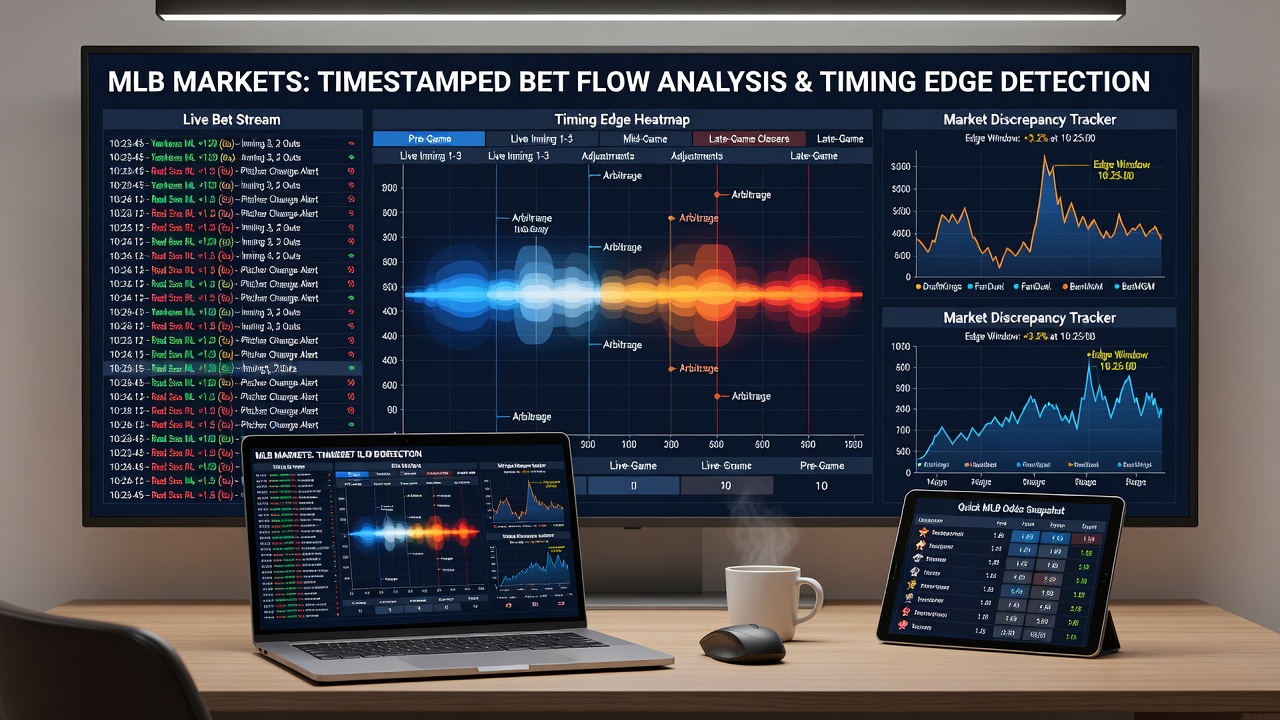
Tools That Process Timestamp Information
Specialized software ingests raw transaction logs and applies clustering algorithms to flag statistically significant arrival windows, and these tools often generate alerts when a threshold percentage of handle appears inside a defined interval. Analysts combine the alerts with line-movement trackers that record price changes at one-minute intervals, and the merged output highlights instances where early flow preceded movement that later proved profitable for those who followed the timing signal. Several platforms also integrate social-media sentiment indicators and umpire assignment announcements, allowing users to test whether certain external variables strengthen or weaken the observed timing relationships across different ballparks and weather conditions.
Regulatory Context and Data Availability in 2026
State gaming commissions in the United States require operators to retain timestamped records for audit purposes, and the resulting archives have become accessible to researchers under controlled conditions. In August 2026, several jurisdictions updated data-sharing guidelines that permit anonymized release of aggregated flow statistics while preserving individual bettor privacy, and this development has expanded the sample sizes available for timing studies. Observers note that consistent timestamp formats across operators facilitate cross-market comparisons, although differences in how books handle live betting entries versus pre-game wagers still require careful normalization before large-scale analysis proceeds.
Conclusion
Timestamped bet-flow examination supplies a structured approach for identifying when market participants place wagers that correlate with subsequent line adjustments in MLB betting. Data compiled from regulatory logs and operator records demonstrates measurable timing patterns that vary by game time, market type, and information release schedule. Analysts who integrate these records with statistical overlays continue to refine methods for detecting edges that arise from the precise moment action enters the market, and ongoing regulatory developments are expected to support further examination of these dynamics across future seasons.